Picking a bulk SMS service provider in India looks straightforward until you’ve sent your first campaign and found that 15% of messages never arrived, your DLT template got rejected mid-send, or your OTPs started timing out during peak load.
The Indian bulk SMS market has dozens of providers. Most will give you a dashboard, an API key, and a per-message rate. What separates them is route quality, DLT handling depth, delivery transparency, and how they behave when something goes wrong at 11pm.

Quick Answer
- Bulk SMS pricing in India: ₹0.10–₹0.20 per SMS for quality transactional routes; promotional routes are typically cheaper
- DLT registration is mandatory for all commercial SMS in India — choose a provider that handles entity, sender ID, and template management
- OTP delivery target: under 5 seconds to Jio, Airtel, Vodafone Idea, and BSNL
- Unicode SMS (Hindi and regional languages) uses 70 characters per part instead of 160 — effectively doubling cost per message
- GST (18%) applies on top of all SMS provider charges — always verify quoted prices include or exclude GST
Why Bulk SMS Still Works in India in 2026
WhatsApp, RCS, and push notifications have grown significantly — but bulk SMS has retained its position as the most universal reach channel in India for one reason: it works on every mobile phone, without internet, without an app, without an account.
For time-sensitive communication — OTP verification, transaction alerts, appointment reminders, delivery notifications — SMS is still the most reliable fallback layer. India’s mobile user base exceeds 1.2 billion, making SMS the most reliable way to deliver time-sensitive OTPs and high-conversion promotional offers.
The other factor: TRAI’s DLT mandate has actually improved the ecosystem by weeding out spam and protecting legitimate businesses. DLT compliance adds setup overhead, but it also means your messages are far less likely to be filtered alongside spam on a quality provider’s route.
For businesses combining SMS with WhatsApp and Voice — for OTP fallback particularly — a single platform covering all three channels reduces integration overhead. We covered the full rationale in our Omnichannel Messaging in India guide.
1. Route Quality and Delivery Reliability
The most important technical decision you make when choosing a bulk SMS provider is route quality. Providers with direct connectivity to Indian telecom operators typically deliver OTPs faster and more reliably than aggregator-based services.
Tier-1 providers maintain direct SMPP connections to Jio, Airtel, Vodafone Idea, and BSNL. Aggregator-based providers add one or more hops between your message and the operator — each hop introduces latency and a potential failure point.
For promotional SMS, aggregator routes may be acceptable. For OTP and transactional SMS, Tier-1 connectivity matters. Ask every provider directly: do you have direct operator connections, or do you route through aggregators?
2. DLT Compliance — The India-Specific Requirement
Every commercial SMS sent in India must be DLT-registered. This means your business entity, sender IDs (headers), and message templates must all be pre-registered on TRAI’s DLT portal before a single message can be sent. A mismatch between your registered template and the actual message content causes automatic rejection at the operator level.
A good bulk SMS provider handles this end-to-end: entity registration guidance, sender ID management, template submission, content scrubbing, and rejection handling. Providers that leave DLT entirely to you create compliance overhead that compounds as you add new templates and sender IDs.
If you’re new to DLT, how DLT registration works in India explains the process from entity registration to template approval.
3. Delivery Receipt Accuracy
Ask explicitly: are your DLRs operator-side or aggregator-side? An aggregator DLR tells you the message left your provider’s system. An operator DLR tells you the message reached the device. The difference is significant for OTP success rate measurement and campaign analytics.
Providers on grey routes often show 95%+ delivery rates in their dashboards while actual device delivery is far lower — because they’re reporting aggregator hand-off, not operator confirmation. The difference between direct and grey routes and what it means for your delivery reporting is worth understanding before you sign up.
4. API Quality
Production SMS integration requires a REST API with clear documentation, sandbox testing before payment, webhook-based delivery callbacks, and meaningful error codes. Poorly documented APIs add hidden developer time cost. Check for:
- Working sandbox environment before you pay
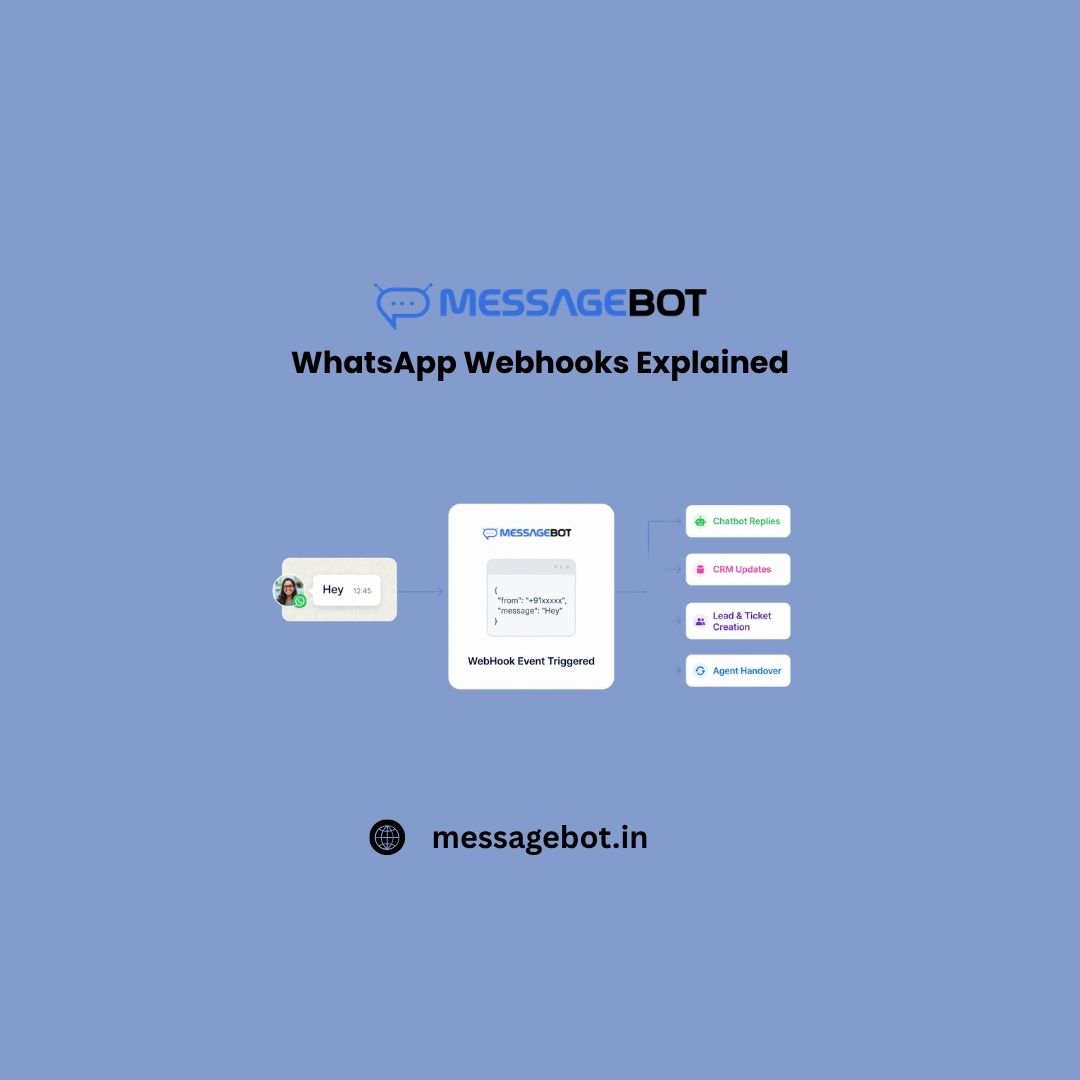
- Webhook support for delivery status events
- Error codes with descriptions (not just numeric codes)
- SDK support for your tech stack
5. Pricing Transparency
Beyond the per-SMS cost, watch for DLT registration fees charged by telecom operators, GST (18%) on all charges, and Unicode surcharges — sending messages in Hindi or regional languages reduces the character limit per SMS from 160 to 70, effectively doubling your cost.
Always ask for the full rate card at your projected volume, including GST, across all message types (transactional, promotional, OTP). A provider quoting ₹0.10/SMS exclusive of GST and DLT fees may cost more than one quoting ₹0.13/SMS inclusive.
6. Throughput at Peak Load
If sending under 10,000 messages per month, cost-effective entry-level providers work well. For over 1 million messages, better bulk negotiation and throughput guarantees matter. Ask what happens during peak events — can the provider sustain 200–500 SMS/second without queuing? What is their SLA for throughput and what remediation applies if they miss it?
Top Bulk SMS Service Providers in India (2026)
MessageBot
Best for: Businesses running SMS alongside WhatsApp and Voice OTP from a single platform. MessageBot provides transactional, promotional, and OTP SMS through Tier-1 routing for India, with full DLT workflow automation, operator-side DLR reporting, and REST API with webhook support. The platform covers SMS, WhatsApp, and Voice on one integration — relevant for businesses building multi-channel delivery with OTP fallback without managing separate vendor contracts.
Local SMS pricing: ~₹0.10 – ₹0.20 /SMS 24/7 support. See current pricing here.
MSG91
Best for: Tech-forward businesses and SaaS products needing SMS, WhatsApp, email, and voice from one stack. MSG91 acts as a full-stack communication platform supporting SMS, WhatsApp, email, voice, and RCS. The platform is designed to handle sudden spikes in traffic and offers advanced tools to trigger automated workflows based on real-time user behaviour. Strong API documentation, well-regarded among developers. Transactional SMS pricing ranges from ₹0.16–₹0.25 per SMS depending on volume
Exotel
Best for: Contact-centre-heavy businesses needing SMS and cloud telephony from the same vendor. Exotel is well-established in India and Southeast Asia for SMS delivery alongside voice capabilities. Good for mid-market and enterprise companies running contact centres who need SMS as a complementary channel. Transparent pricing, strong uptime track record, and solid India-specific support.
Gupshup
Best for: Enterprises running bulk SMS alongside WhatsApp, RCS, and chatbot automation. Gupshup covers SMS, WhatsApp, RCS, and conversational AI on one platform — a strong fit where SMS is part of a broader customer engagement strategy rather than a standalone channel. Gupshup leads the market in 2026 for enterprise reliability. API-first, volume-based pricing, contact sales for rates.
Route Mobile
Best for: Businesses with international SMS requirements alongside India operations. Route Mobile offers direct operator connections globally with strong India infrastructure. Well-suited for enterprises that need consistent delivery across India and international markets from one provider. Premium pricing reflects the global infrastructure investment. Less suited for price-sensitive SMB use cases.
2Factor
Best for: Businesses sending high-volume OTPs where cost-per-successful-delivery matters more than cost-per-send. 2Factor’s pay-per-delivery model means you only pay for successful messages. During stress testing with 1,000 consecutive OTP requests, they maintained 98.9% delivery rate with average 2.8-second delivery time. India-only focus means deep DLT compliance knowledge. Not suitable for promotional SMS or international coverage.
Fast2SMS
Best for: Startups, NGOs, and educational institutions needing low-cost SMS with fast onboarding. Fast2SMS remains a top choice for small businesses due to superior UI and documentation. Very low entry cost, instant account activation, and simple interface make it accessible for teams without technical resources. Route quality is acceptable for promotional campaigns but may not meet the latency requirements for OTP-critical workflows.
Provider Comparison at a Glance
| Provider | Route | DLT Handling | Best For | Pricing Model |
| MessageBot | Tier-1 | Automated | Multi-channel SMS + WhatsApp + Voice | Usage-based |
| MSG91 | Tier-1 | Automated | Full-stack comms, developers | Usage-based |
| Exotel | Tier-1 | Assisted | Telephony + SMS | Usage-based |
| Gupshup | Tier-1 | Good | SMS + WhatsApp + RCS stack | Volume-based |
| Route Mobile | Tier-1, global | Full | Global + India enterprise | Volume/custom |
| 2Factor | Tier-1 | Full | OTP-only, pay-per-delivered | Per delivered msg |
| Fast2SMS | Mixed | Good | Startups, low volume | Low cost, prepaid |
Bulk SMS Pricing in India (2026): What to Expect
Bulk SMS pricing in India typically ranges from ₹0.10 to ₹0.20 per SMS depending on volume, message type, and provider.
| Message Type | Typical Price Range | Notes |
| Transactional SMS | ₹0.10–₹0.20/SMS | DLT-compliant, Tier-1 route |
| OTP SMS | ₹0.10–₹0.18/SMS | Priority route required |
| Promotional SMS | ₹0.08–₹0.15/SMS | Lower priority, DND filtering applies |
| Unicode (regional languages) | 2x base rate | 70 chars/part vs 160 chars/part |
Three pricing models to understand:
Prepaid credits — buy a credit pack upfront. Good for startups and low-volume senders who want cost predictability. Credits typically have 1-year validity.
Postpaid/usage-based — pay after delivery based on actual DLR data. More suitable for enterprises with predictable monthly volumes. Requires account setup and credit assessment.
Pay-per-delivered — charged only for messages confirmed delivered at device level. Higher headline rate but lower effective cost per successful message. 2Factor operates this model for OTPs.
SMS Route Types: What You Need to Know
Understanding route types prevents expensive mistakes:
Transactional route — for OTPs, account alerts, delivery notifications, and any message triggered by a user action. Sent 24/7 including DND numbers. Requires DLT-registered transactional templates.
Promotional route — for marketing campaigns, offers, and announcements. Blocked to DND-registered numbers. Restricted to 9am–9pm. Lower cost but cannot be used for OTPs or service messages.
OTP route — a subset of transactional, often with dedicated bandwidth and priority delivery. Some providers offer this as a separate tier with guaranteed sub-5-second delivery SLA.
Using the wrong route type causes delivery failures that look like provider failures in your dashboard. Sending an OTP on a promotional route will result in silent drops to DND numbers — a common and avoidable mistake. Our Transactional vs Promotional SMS guide explains the distinction in detail.
Bulk SMS Use Cases and Cost Profile by Industry
- E-commerce — order confirmations, delivery updates, COD reminders. Transactional route. High volume, cost-sensitive. Service window fallback to WhatsApp reduces costs further.
- Fintech / Banking — OTP verification, transaction alerts, EMI reminders. OTP route mandatory. Reliability over cost.
- Healthcare — appointment reminders, lab results, prescription alerts. Transactional route. Moderate volume, compliance-sensitive.
- Education — fee reminders, exam alerts, result notifications. Mix of transactional and promotional. Cost-sensitive, seasonal volume spikes.
- Logistics — pickup alerts, delivery confirmation, driver communication. Transactional route. Real-time delivery critical.
- Real estate — property alerts, site visit confirmations, payment reminders. Mix of promotional and transactional. Volume varies significantly.
Evaluation Checklist Before You Sign Up
- Direct Tier-1 connectivity to Jio, Airtel, Vodafone Idea, BSNL
- Operator-side DLRs (not aggregator-side)
- End-to-end DLT support — entity, sender ID, template management
- Separate OTP route with throughput SLA
- Working sandbox before payment
- Webhook-based delivery callbacks
- Transparent pricing inclusive of GST
- 24/7 support with escalation path
- Unicode/regional language support if needed
- Trial campaign option before volume commitment
Frequently Asked Questions
What is the best bulk SMS service provider in India in 2026?
It depends on your use case. For OTP-critical workflows needing multi-channel fallback (SMS + WhatsApp + Voice), MessageBot and MSG91 are strong options. For enterprise scale with global reach, Route Mobile and Gupshup. For OTP-only with a pay-per-delivered model, 2Factor. For startups on tight budgets, Fast2SMS offers a low-cost entry point with acceptable promotional delivery.
How much does bulk SMS cost in India?
Quality transactional SMS from Tier-1 providers typically costs ₹0.10–₹0.20 per SMS. Promotional SMS is cheaper, typically ₹0.08–₹0.15. OTP routes may carry a small premium for guaranteed throughput. All prices are subject to 18% GST. Unicode messages for regional languages effectively cost 2x the base rate due to the lower character limit per SMS part.
Is DLT registration mandatory for bulk SMS in India?
Yes. TRAI’s DLT framework requires all commercial SMS senders to register their entity, sender IDs, and message templates before sending. Messages that don’t match registered templates are automatically rejected by telecom operators. Any reputable bulk SMS provider handles DLT registration as part of onboarding.
What is the difference between transactional and promotional SMS in India?
Transactional SMS is triggered by user actions — OTPs, order confirmations, alerts. It can be sent 24/7 and reaches DND numbers. Promotional SMS is for marketing — offers, campaigns, announcements. It is blocked to DND-registered numbers and restricted to 9am–9pm. OTPs sent on promotional routes will fail silently to DND numbers.
How do I test a bulk SMS provider before committing?
Request a sandbox environment or trial credits before purchasing. Send test messages across all four major operators (Jio, Airtel, Vi, BSNL) and measure delivery time and DLR accuracy. Test during peak hours (evening) as well as off-peak. Check whether reported delivery matches actual receipt on the test devices.
Conclusion
The best bulk SMS provider in India for your business is the one that reliably delivers your specific message type — OTP, transactional, or promotional — at the volume and speed your use case requires, with DLT compliance handled so it doesn’t become a recurring operational problem.
Price matters, but route quality, DLT automation, and delivery transparency matter more. A provider saving you ₹0.02/SMS while delivering 10% fewer messages doesn’t save you anything.
Test before you commit. Measure delivery on real devices across all operators. Check DLR accuracy, not just dashboard percentages. And make sure support is reachable when something breaks at off-hours — because with bulk SMS at scale, it will.
For businesses running SMS alongside WhatsApp and Voice OTP, MessageBot provides all three channels through a single API with Tier-1 routing and full DLT automation for Indian businesses. Explore setup here.